








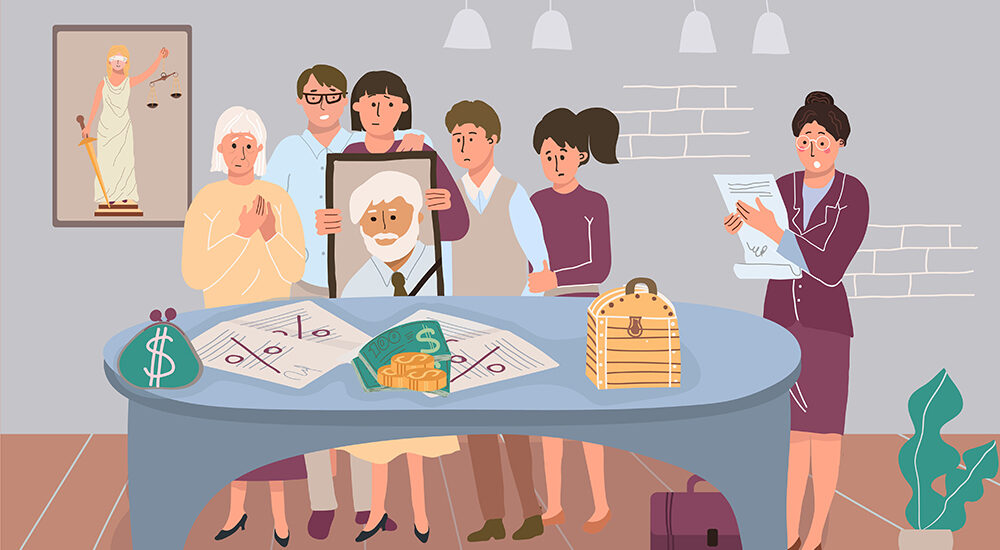
The most frequent concern I hear from the wealth-creating elders of successful business families is, “How do I keep our family wealth from creating entitled, spoiled children?” After emerging from modest circumstances, they now have more wealth than they ever imagined. Their children can only benefit and live a life of plenty. Yet, they worry and want to take careful actions to ensure a positive outcome. They are just not sure their heirs are up to the task. Rather than directly address these concerns, they resort to indirect methods aimed at controlling or limiting their children’s choices and opportunities. This, of course, fails to create more responsible or productive heirs.
When I hear this mistrustful message from wealth creators, I ask them, “What have your children shown you or done that led to your concern?” Some are able to cite reckless spending habits or otherwise questionable judgment. But by and large, they describe decent, educated, thoughtful, appreciative and teachable offspring. So where does this nearly universal concern come from?
Social Stigma
First, “trust fund kids” and “nepo babies” have become common societal tropes and there is never a shortage of media stories about privileged children leading lives of excess. We both envy and disparage those whose lives are marked by good fortune. We want it for our kids but resent it in others. It may also be that wealth creators, having started with little and grown up making their own way, carry hidden resentment toward their kids who “have it easy.” These parents are proud to have so much to offer their children, but also feel it is somehow unfair that their kids are allowed to benefit from the hard work of the previous generation.
On the flipside, the heirs-in-waiting often feel guilt over their good fortune. Some end up expressing this guilt by “acting out” through overspending, addiction or irresponsible behavior. They may also feel “special” — secure in the knowledge that whatever difficulty they create, their parents and status will rescue them. Others are taken advantage of by those around them. They may be overwhelmed by their gift and, seeing a world where so many people suffer, want to find a way to feel worthy of their good fortune. Parents who recognize these feelings in their children often seek to protect them by keeping them from their wealth.
Silent (Mis)trust
None of what I’ve described above is uncommon. Still, it seems strange to me that elder family members feel helpless to prevent these negative outcomes in their children. They don’t seem to believe their kids are open to learning or capable of growth and further maturity. Anxiety leads them to take steps that, paradoxically, may cause more harm. They decide not to talk about the family wealth (as if their children could ever be totally oblivious to it) and they take steps to restrict the freedom of their children to make decisions about their inheritances. They hold back the transfer of assets so that their kids can learn to “make it on their own.” So, what do they want the wealth to do for the family? What is its purpose? In these families, these questions go unaddressed.
But what is the message to a young person when they are told not to talk about what the family has, or that they don’t have any say in how it is used? When the message from the current generation to their children is “We don’t trust you,” it only adds to NextGens’ guilt, shame and lack of confidence and self-esteem.
The good news is that this suspicion largely melts away when each generation can share and explore what they actually want from each other. Family wealth creators, who build family wealth with deep values and vision, want their heirs to know and appreciate what they did to create the gift passed down to them. But for this to happen, they must take the opportunity to teach the rising generation about the history of the family enterprise, as well as to share the family’s values. And, while they may sometimes doubt it, the current generation must assume that the values they’ve taught have been absorbed, and that their offspring share their good intentions.
But the heirs face a different world. They are not comfortable as slavish imitators or mere continuers of the elders’ traditions. They have their own ideas, and they see new opportunities, as well as emerging threats and difficulties. How can they pursue these new realities and not act like they are turning their back on their parents’ message?
Such differences can devolve into deep family contention, as generations clash between the old ways and new paths. By this point, the founding generation is often gone, leaving their agents and advisors — as trustees — to act for them against their heirs who are still very much alive.
Constructive Candor
How can wealthy families avoid such an impasse? Instead of worrying about bad things that can (but might not) happen, why not engage the other generation in discussion? Together, the generations can consider remedies and reassure each other of their intentions.
Recently, my colleague Peter Begalla (a veteran family business advisor and conference chair at Family Business) and I convened a group of several dozen such families in the Hawaii Family Business Association. Our goal was to promote a positive and safe environment for open, candid and constructive dialogue across generations, between legacy and innovation, enduring values and necessary change.
We divided the participants into small groups consisting of elder and younger generations, and asked them to reflect on and share the answers to a few key questions:
• What do you offer the other generation that you feel they sometimes don’t see or give you credit for? This allowed each generation to share positive aspects of their identity that are often lost in misperception.
• What do you want from the other generation that you would like them to remember? What sort of help and support does the other generation actually want from you?
The two groups then shared their lists, which were very different. Among the attributes the elder generation said they felt underappreciated for were the social capital they’ve built up within the enterprise and the community; as well as their ability to teach rising gens about work ethic, grit, resilience and the history of the family enterprise. They also expressed a desire for rising gens to be more proactive in seeking out current gens’ knowledge, more appreciative of their value and more patient with the process of succession and wealth transfer.
The rising gens, meanwhile, said they often feel underappreciated for their enthusiasm, loyalty, work ethic, outside experience, fresh perspective and tech know-how. They expressed a desire for better communication by the current gen; greater clarity around decision-making and authority; and more guidance on preserving family values and legacy. They also noted a desire for more opportunities to meaningfully contribute to the family enterprise.
‘The Family Deal’
At the end of the exercise, each generation was deeply touched by what was offered and by the clear expression of what was wanted. Both the current and rising generations recognized that they too often assume negative expectations, overlooking the more positive ones. And neither generation was fully aware of what was wanted of them. The lists opened up the channel for candid, positive and thoughtful sharing. Suspicions were set aside, and they talked openly about what they wanted from each other.
After reaching a better understanding of each other’s perspectives, the group created a cross-generational statement of intentions for the purpose of wealth and decided how it will be used across generations. The agreement was specific enough to prevent confusion, but did not tie the rising generation down to rigid or inflexible standards. The group collectively agreed on the framework, and each participant felt they could now tailor that to fit the specifics of their own families. They pledged to hold individual family conversations and to shred existing agreements about the use and purpose of their family resources. The framework was able to greatly reduce the concern and anxiety about the future in both generations of the many families present.
We were so moved by the conversation — it led us to wonder why families did not regularly get together to share expectations and discuss their shared visions. It’s these conversations that allow families to enter into what my late colleague David Bork called “the family deal.” Rather than try to coerce the rising generation to use the family resources wisely, families can reach an agreement on what is expected and reasonable.
Then, they can work together to achieve these goals. This path moves the family away from anxiety about the future and toward a more positive outlook based on trust and alignment across generations.