








In this episode, Bill Weinaug, president of Wekiva Island — a family-owned, environmentally friendly vacation destination in Longwood, Florida — talks about the resort’s beginnings and why leaving a sustainable legacy requires learning to let go.
Also, Joanna Bergey Shisler, dealer principal at Bergey’s — a 5th-generation, family-owned auto, truck and tire company with locations in Pennsylvania, New Jersey, Delaware and Maryland — discusses the importance of communication and forgiveness in family business.
And the third- and fourth-generation leaders of Accurate Box Company — G3 President and CEO Lisa Hirsh; her husband, Executive Vice President Sales and Marketing Mark Schlossman; and their daughter, Director of Sales and Marketing Samara Ronkowitz — discuss the importance of culture on the longevity and growth of their family business.
This episode is brought to you by Deloitte Private: serving family-owned companies, family offices, and privately-held businesses, and advising them on addressing a range of issues, from growth, talent and succession to the potential and perils of AI.
Interested in being a guest or have a topic you’d like to hear us discuss? Contact host Zack Needles, editor-in-chief of Family Business Magazine, at: zneedles@familybusinessmagazine.com.
Don’t miss an episode! Follow Family Business/Business Family on Apple Podcasts, Spotify, Amazon Music or wherever you listen to podcasts.
Guests

Bill Weinaug
Bill Weinaug is the president and founder of Wekiva Island, a family-owned and -operated, environmentally friendly vacation destination in Longwood, Fla.
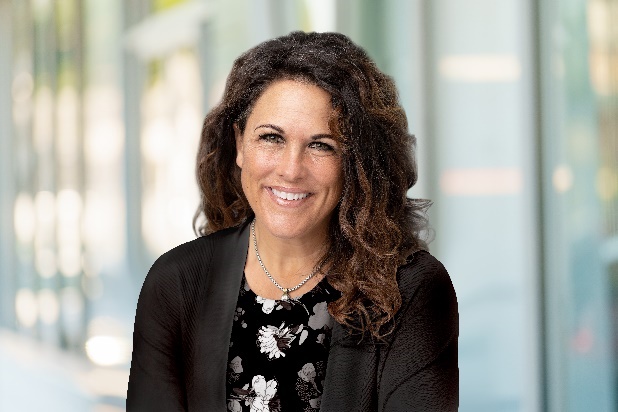
Joanna Bergey Shisler
Joanna Bergey Shisler serves as the dealer principal for Bergey’s Chevrolet of Colmar, Bergey’s Chevrolet of Plymouth Meeting and Bergey’s Cadillac. She has over 30 years of experience in the industry.

Lisa Hirsh
Lisa Hirsh is president, CEO and majority owner of Accurate Box Company, a fourth-generation family business based in Paterson, N.J., that manufactures corrugated packaging featuring “high graphics” that include up to seven colors.
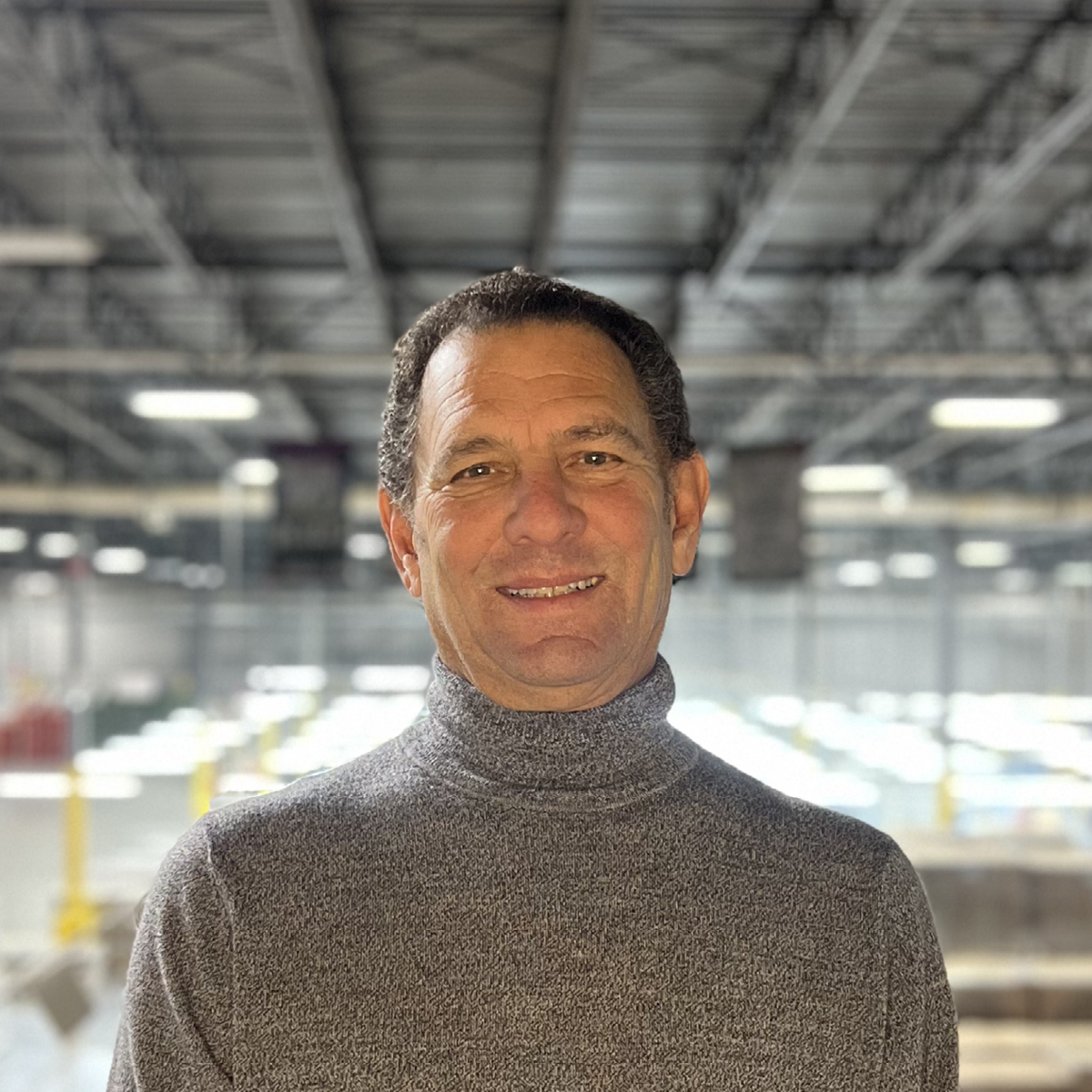
Mark Schlossman
Mark Schlossman is executive vice president of sales and marketing at Accurate Box Company.
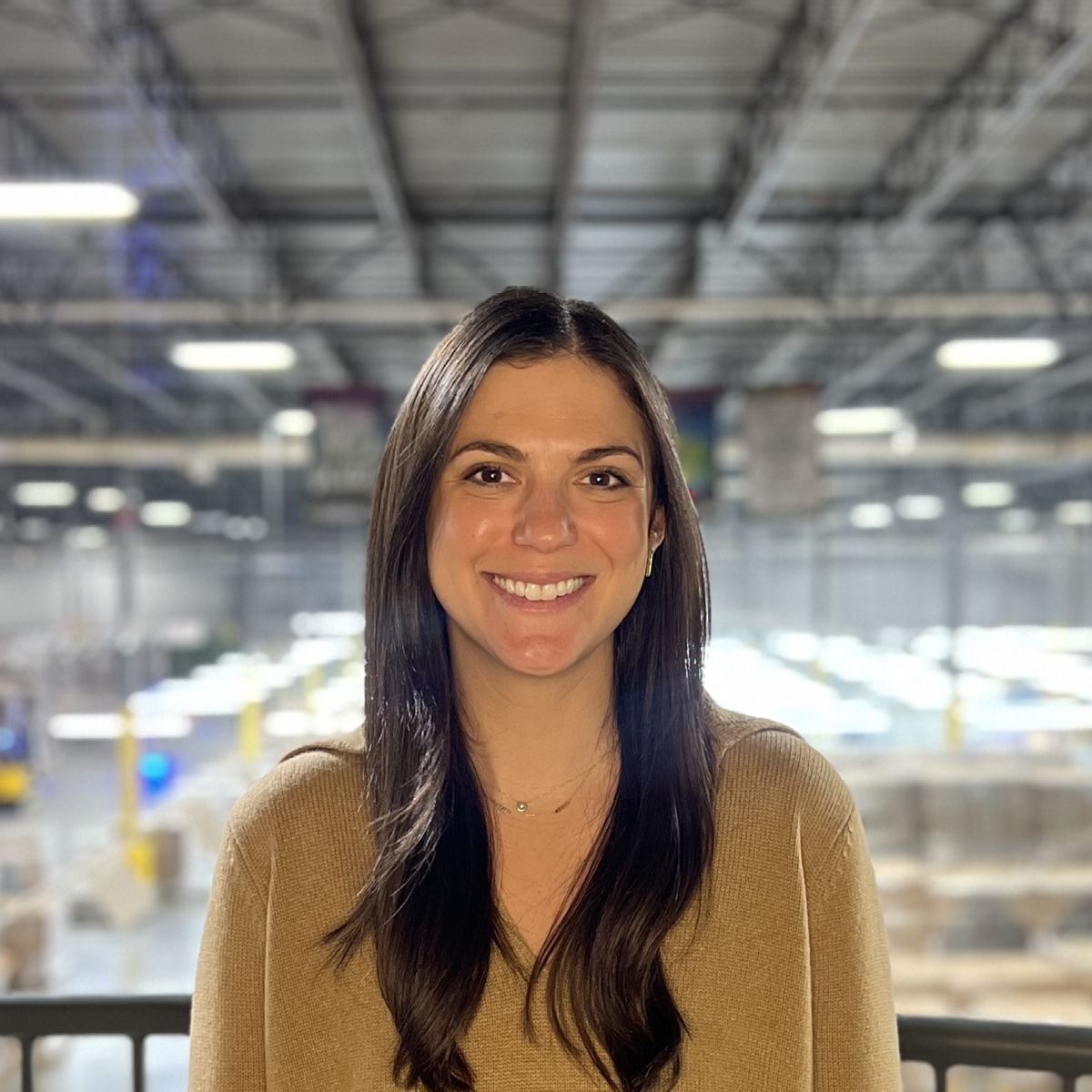
Samara Ronkowitz
Samara Ronkowitz is director of sales and marketing at Accurate Box Company.
Sponsored by

Introduction & Sponsor Message (Zack Needles)
- Zack introduces the episode, sponsored by Deloitte Private, which advises family businesses on challenges like growth, succession, and AI.
- He previews the guests: Joanna Bergey Shisler (Bergey’s), Bill Weinaug (Wekiva Island), and leaders from Accurate Box Company.
- Deloitte’s role in helping family enterprises navigate change is highlighted.
Bill Weinaug on Legacy & Sustainability (Wekiva Island)
- Bill Weinaug, president of Wekiva Island, discusses his passion for sustainability and family business.
- He explains how Wekiva Island evolved from a run-down fish camp into an eco-friendly, family-run resort.
- Weinaug’s family embraced green initiatives at home first, winning national recognition for their low-carbon footprint.
- He reflects on ensuring his legacy continues but acknowledges future generations may make changes.
Accurate Box Company – Maintaining Culture Amid Growth
Speakers: Lisa Hirsh (CEO), Mark Schlossman (EVP), Samara Ronkowitz (Director of Sales & Marketing)
- The company, a third- and fourth-generation business, has grown significantly while maintaining a strong company culture.
- Samara emphasizes the importance of reinforcing core values among their 350 employees.
- Mark credits reinvestment in people, quality, and communication for their success.
- Lisa discusses leadership strategies, including regular company meetings, a newsletter, and social events like picnics and Christmas parties.
- They stress internal marketing to maintain employee engagement and connection.
Joanna Bergey Shisler on Communication & Family Business Success (Bergey’s)
- Bergey’s, a fifth-generation family-owned auto, truck, and tire business, prioritizes communication and forgiveness to sustain family harmony.
- Joanna shares insights on balancing legacy and adapting to new challenges.
- She discusses the importance of structured shareholder meetings and family gatherings to keep relationships strong.
- She reflects on faith-based values in giving back and ensuring the family business remains a positive force in the community.
- Joanna emphasizes resolving conflicts and avoiding grudges to maintain unity across generations.
Bill Weinaug on Transition & Family Involvement
- Bill describes how his children and extended family organically joined Wekiva Island based on their interests.
- His son initially pursued law enforcement before returning to the business, while his daughter contributed remotely from Barcelona.
- Multiple family members, including his sisters, nieces, and nephews, play key roles in the business.
- He acknowledges that future generations may not prioritize sustainability as he does, but he accepts that evolution is inevitable.
Zack Needles: This episode is brought to you by Deloitte Private, serving family-owned companies, family offices, and privately held businesses, and advising them on addressing a range of issues, from growth, talent, and succession, to the potential and perils of AI.
Bill Weinaug: How do I make sure that that kind of lives on?
Zack Needles: That was Bill Weinaug, president of Wekiva Island, describing his philosophy on legacy building. We’ll hear more from him later in the show. Welcome to the Family Business Business Family Podcast. I’m your host, Zack Needles, editor-in-chief of Family Business Magazine.
In this episode, I sit down with Joanna Bergey Shisler, dealer principal at Bergey’s, a fifth-generation family-owned auto, truck, and tire company with locations in Pennsylvania, New Jersey, Delaware, and Maryland. She talks about the importance of communication and forgiveness in family business. I also interviewed Bill Weinaug, president of Wekiva Island, a family-owned, environmentally friendly resort in Longwood, Florida. He talks about the resort’s beginnings, applying the concept of sustainability to the family business, and why leaving a legacy requires learning to let go.
But first, we have part two of my conversation with the third- and fourth-generation leaders of Accurate Box Company. G3 President and CEO, Lisa Hirsh, her husband, Executive Vice President of Sales and Marketing, Mark Schlossman, and their daughter, Director of Sales and Marketing, Samara Ronkowitz.
Before we get started, support for today’s show comes from Deloitte Private. Our passion for innovation creates powerful opportunities as we advise family businesses on ways to stay ahead of change, to leverage technology to drive progress, and to transform disruption into multi-generational value. Deloitte Private brings the service depth and breadth of Deloitte, tailored specifically to the unique demands of family enterprises, family offices, privately held businesses, and venture-backed companies. Connect with us at deloitte.com/us/private.
In part two of my conversation with the third- and fourth-generation leaders of Patterson, New Jersey-based box manufacturer, Accurate Box Company, they discussed the challenge of preserving their family business culture as they continue to grow and add employees.
Lisa, Mark, Samara, thank you so much for joining me today.
Samara Ronkowitz: I would say, you know, going back to our core values, and keeping the company culture. We have 350 employees, and that gets difficult as you continue to grow. Making sure that everybody lives by our core values is really important.
Mark Schlossman: And we can’t stress enough the reinvesting. We went from a very small company with a very local customer base, very regional, to now one of the largest independent companies in our space in the country. We ship to all but, I believe, five states in the U.S. on a regular basis. And that’s all because of the people and how we do it—how we communicate on the phone and with customer service. The poor quality boxes that they throw out in the plant and don’t ship to our customers, and all those little things. We walk prospective customers and customers through our plant, and they are amazed at how the people on the machinery and the equipment are engaged with them, wave to them, and smile when they’re walking through. And that makes us very happy.
Zack Needles: Absolutely. How do you guys keep that culture going when you’re growing? You know, 350 employees is no small number, and the fact that the business has grown in terms of the customers it serves—how do you keep things feeling like a family business, the way you would want it to feel, even though you’ve got 350 employees?
Lisa Hirsh: That’s a big concern of mine. How do you make sure that the message at the top is getting down to the plant floor and the managers and how they treat people? We’re pretty intolerant of any kind of discipline on the plant floor. If you have something to say to someone or correct them, then you do it in private. You don’t embarrass anybody. When we hear differently, we take action. We try to do a lot of meetings. Every six weeks, we have a company meeting on all three shifts to talk about what we’re doing, where we’re headed, new equipment we’re buying, things for new customers, any HR issues—we touch on it all.
Samara Ronkowitz: We also put out a company newsletter three times a year. It’s now up to 20 pages, front and back, where we talk about everything that’s going on in each department, the new customers, new hires. We interview every single new hire and ask them to give us some fun facts about themselves so the company can get to know them. Little things like that. I think we do a lot of internal marketing, and it helps keep the company culture.
Lisa Hirsh: We have a big company picnic.
Samara Ronkowitz: And a Christmas party. Yeah, we do a lot for our employees, especially when we hit big milestones. We just turned 80 years old this year, and that’s kind of been the theme for the whole year. We gave out a lot of company swag, had a big company picnic, and there are a few more things we plan to do before the end of the year.
Zack Needles: That’s really cool. So yeah, a lot of it is just about communication and creating opportunities for everyone to get together, whether it’s a social thing or more of a business meeting. That makes sense.