








This episode features interviews with Tauck Chairman Dan Mahar and CEO Jennifer Tombaugh, who discuss their careers and the keys to Tauck’s 100 years of success as a family-owned business.
Also, Family Business Contributing Editor Dennis Jaffe talks embracing your family’s evolution and NIX Companies President & CEO Matthew Nix discusses its recent, uniquely structured acquisition of a fellow fifth-generation family business.
This episode is brought to you by Element Pointe, an independent multi-family office and wealth management firm dedicated to guiding individuals and their families through important financial, investment, lifestyle and interpersonal matters — in turn, helping clients build a secure future and enduring legacy.
Interested in being a guest or have a topic you’d like to hear us discuss? Contact host Zack Needles, editor-in-chief of Family Business Magazine, at: zneedles@familybusinessmagazine.com.
Don’t miss an episode! Follow Family Business/Business Family on Apple Podcasts, Spotify, Amazon Music or wherever you listen to podcasts.
Guests

Dan Mahar
Dan Mahar is chairman of the board at Tauck, a position he has held since October, 2024. Dan began his career at Tauck in 1996, and served as VP Sales and Marketing until 2003. Dan started a New Ventures group in 2002, and led the creation and launch of Tauck Bridges, serving the needs of the growing market in family travel. Dan also spearheaded the company’s highly successful launch into river cruising and its rapid subsequent expansion. In 2008, Dan was named Chief Executive Officer of Tauck. Along with his leadership role at the company, Dan has also served as a Board Director for the United States Tour Operators Association. Prior to joining Tauck, Dan worked in strategic planning and product line management for Nortel, where he became general manager for their network applications. He then moved to Global Crossing in their new business development, and launched their Internet services company. Dan holds a bachelor’s degree from St. Lawrence University in Canton, NY, where he double-majored in Economics and Government. The son-in-law of Tauck’s Chairman Emeritus, Arthur Tauck, Jr., Dan and his wife Kiki Tauck Mahar are the parents of five children.
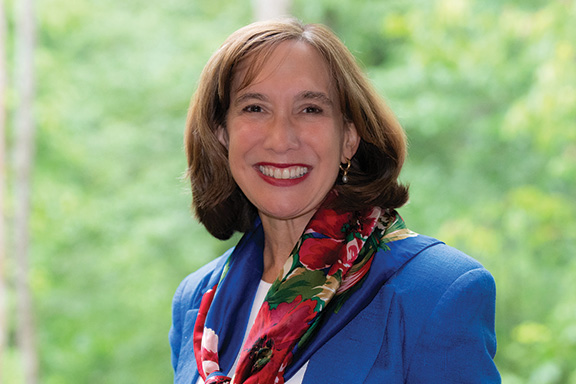
Jennifer Tombaugh
Jennifer Tombaugh is chief executive officer (CEO) of Tauck, the US-based leader in guided travel offering more than 170 land tours, river cruises, small ship ocean cruises and family travel adventures to 70+ countries and all seven continents. As CEO (and as a member of Tauck’s Executive Team), Jennifer drives the company’s long-term direction and strategy while leading the team that oversees its day-to-day operations. Since joining Tauck in 2001, Jennifer has spearheaded the launch of Tauck Bridges (the company’s family travel brand), the redesign of Tauck’s reservation systems, a re-launch of tauck.com and the formation of Tauck Ventures, focused on new business development. Jennifer also created and oversees Ken Burns American Journeys, Tauck’s partnership with the acclaimed filmmaker Ken Burns and his longtime collaborator Dayton Duncan. Prior to becoming CEO, Jennifer served as Tauck President since 2011. Jennifer serves on (and is former President of) the Board of Directors of the European Tourism Association (ETOA). She is also a Board Director at Sacred Heart University’s Jack Welch College of Business & Technology, The Lobkowicz Collections (Czech Republic) and the Harvard Club Of Southern Connecticut. Jennifer is also a member of the Young Presidents’ Organization and the International Women’s Forum of Connecticut. Prior to Tauck, Jennifer was Group Account Director with the advertising firm Leo Burnett in Taipei, Taiwan; in Brand Management at The Coca-Cola Company in Atlanta, Georgia; and a management consultant with Monitor Company. Jennifer is a graduate of Harvard College and Harvard Business School. Jennifer lives in New Haven, Connecticut, with her husband and four children.

Matthew Nix
Matthew Nix is the fifth-generation president and CEO of Nix Companies Inc., a holding company he founded in 2017. Among its holdings, remains the Nix family’s 120-plus-year-old legacy business specializing in metal fabrication, machining & gears, coatings & finishings, and industrial products sales. Under the fifth generation’s leadership, the business has grown from four family members to a regional company with over 150 team members and has achieved 100X revenue growth in less than 20 years.
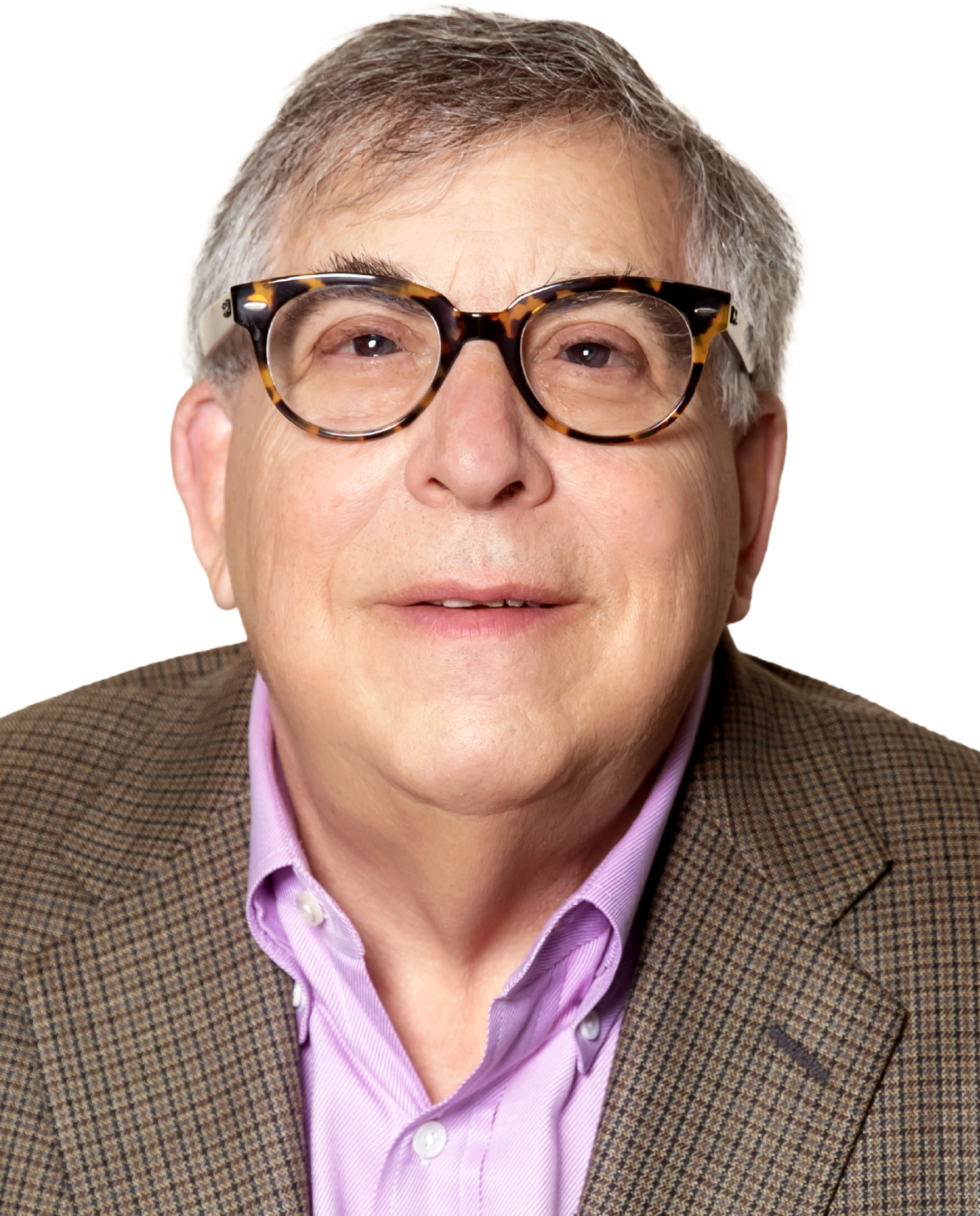
Dennis T. Jaffe
Dennis T. Jaffe is an organizational consultant and clinical psychologist who helps multigenerational families to develop governance practices that build the capability of next generation leadership and ensure ongoing capability of financial organizations and family offices to serve their family clients. He is the co-author of “Living Your Values: Connecting Personal, Family, and Organizational Values to Build Purpose and Clarity,” “Borrowed From Your Grandchildren: Evolution of 100-Year Family Enterprises” and “Wealth 3.0: The Future of Family Wealth Advising.”
Family Business Business Family Podcast – Episode 20 Transcript
Episode Summary
Segment 1: Dennis Jaffe – Turning Family Evolution into Opportunity
Dennis Jaffe, Family Business Magazine contributing editor, discusses how rising generations, longer life spans, and diversification can create challenges in family businesses—but also open up new opportunities for leadership, innovation, and impact when embraced with intention and communication.
Segment 2: Matthew Nix – A Unique Family Business Acquisition
Matthew Nix, president and CEO of fifth-generation Nix Companies, explains how the company acquired fellow fifth-generation business Huntsman Sheet Metal. The deal featured an innovative ownership structure that included next-gen leadership, ensuring legacy continuity and shared growth incentives.
Segment 3: Dan Mahar & Jennifer Tombaugh – Tauck at 100
Dan Mahar, chairman, and Jennifer Tombaugh, CEO, of family-owned travel company Tauck, reflect on the company’s 100-year journey. They share Tauck’s origin story, strategies for innovation and guest loyalty, and how shared values and inclusive planning across generations have ensured enduring success.
This episode is brought to you by Element Point, an independent multifamily office and wealth management firm dedicated to guiding individuals and their families through important financial, investment, lifestyle, and interpersonal matters. In turn, helping clients build a secure future and enduring legacy.
We’re very intentional about sustaining a core set of values and beliefs over time, but then at the same time, really trying to evolve and to keep moving forward, to keep being innovative.
That was Dan Mahar, chairman of family-owned travel company, Talc, which is celebrating its 100th anniversary this year. We’ll hear more from Dan and Talc CEO, Jennifer Tombaugh, later in this episode. Welcome to the Family Business Business Family Podcast. I’m your host, Zach Needles, editor in chief of Family Business Magazine.
In addition to my interview with Dan and Jennifer, I also sit down with Family Business Magazine contributing editor Dennis Jaffe, who discusses embracing your family’s evolution. This episode also features more of my conversation with Matthew Nix, president and CEO of fifth generation Nix companies about the business’s acquisition of another fifth generation family enterprise.
Support for today’s show comes from Element Point. We built the wealth management firm we would want for our own families. As your trusted partner and advisor, we deliver the white glove service you deserve in structuring and operating your family office. Our highly tailored financial advice, investment management, holistic reporting, and most importantly, the lasting relationships built with the families we serve are what has motivated us for nearly a decade. Connect with us at elementpoint.com.
Element Point, planning thoughtfully, investing wisely.
In this interview, Family Business Magazine contributing editor Dennis Jaffe discusses some of the challenges evolving families face and offers some tips for turning them into opportunities.
Hi, Dennis. Thanks for joining me as always. Hi. It’s good to be back. So your latest column is about viewing family evolutions as opportunities rather than obstacles. So let’s take your first example from the article, the evolution of a single family to a tribe of related families overseeing multiple diversified family enterprises. Why is that a challenge? And then how can a family turn that into an opportunity?
So, ⁓ well, I think it’s because the situation is different than the ⁓ family elder initially thinks. And that the elder is kind of looking ahead and thinking, aha, he needs to create a clone of himself because the future is gonna be just like the past and things have to go forward and that’s the best way to do it.
But the reality is he’s not taking into account, it’s not a one person to run everything, but a situation where there are many family members and they have to learn how to compromise, how to work together, how to listen to each other, how to do a lot of things that as a single leader, he didn’t have to do. So I think he’s ⁓ misperceiving the situation and being a of a narrow one. And it’s really… ⁓
much bigger one than he has a clue even about. Yeah, absolutely. And so how do you turn that into an opportunity then? How do you kind of embrace that rather than trying to run away from it? you welcome the next generation instead of seeing them as a problem and there’s just too many of them. I wish they weren’t. You kind of see, well, gee, you’ve got a lot of opportunities here and you also have a lot more.
talent than just could exist in one person. So the question is how to blend them, how to motivate them, how to bring them together, how to get them to kind of ⁓ see ⁓ themselves contributing. There’s a whole lot of different skills that didn’t exist in the first generation. And so seeing it as an opportunity is to say, okay, well, I got a big challenge. got…
six people ⁓ in the family, now not one. Let’s get them all working on the same team. Let’s get them all to develop skills. Let’s get them all motivated. Let’s get them all to kind of be informed about what we’re doing. Let’s have them develop relevant skills that are complimentary. There’s a whole lot of tasks to take into account, and that’s the opportunity. Absolutely.
And so here’s another one that is kind of a, it’s a difficulty, but there are ways to turn it into a positive. So the combination of longer lifespans, obviously not a bad thing, and the addition of new family members, also not a bad thing on its face, both of the combination of those two creates a challenge. So what is the difficulty there for some families and how can they turn that into a positive? Well, when we started, you know, kind of talking about family ⁓ business challenges,
About 40 years ago, the idea of ⁓ retirement and the kind of lifespan was that people would begin to ⁓ retire in their 60s. at that point, they were old and slowing down and wanting to step back. And so it was the next generation were young adults. ⁓ Nowadays, we ⁓ actively involved ⁓ living.
approximately ⁓ a generation longer. So now 60 is young. Yeah. is a productive time. Yeah. And that means that behind you in a family, there’s two more generations. And so if you decide to say, I’m going to work as long as I can, then hand it over to my children.
It’s actually not your children, it’s your grandchildren, even your great grandchildren. ⁓ So that poses a very, very different situation to the family. You’re kind of holding up the train rather than ⁓ passing things along. ⁓ so the challenge is to ⁓ think earlier about it and begin to don’t wait till ⁓ your children are basically… ⁓
into their their late adult late late adulthood themselves, but begin to create a process of everybody in the family stepping up, which means you in the older generation have to step back and find a new role other than being the boss. Right. Absolutely. And I thought this one was really interesting. You mentioned as an example of another challenge that there are more educated and inclusive rising generations that are
increasingly seeking roles in the family enterprise. So again, it’s not a bad thing, right? But it makes things more complicated. why can that be challenging and how can families approach it in a positive way? Well, it’s challenging if you see it as a competition and you have all these wonderful family members and they have different skills. And now you think you’re going to have a kind of a wrestling match for who’s going to be number one.
and it becomes a family competition and people see it as winning and people that don’t get it are losing. ⁓ Whereas the opportunity comes when you say, well, gee, ⁓ luckily our family has developed all kinds of things that we do and there are all kinds of leadership roles that are open. So it isn’t just a business leader. There are leaders in philanthropy. There are leaders in
keeping the family together. There are emotional leaders. There are people that run, ⁓ help us with financial investments. And so the family can see that there are many opportunities for leadership and that it isn’t a competition. ⁓ There’ll be a community of leaders in the next generation. And the challenge is for all of them to have an important thing to do and to not step on each other’s toes.
and to work together. So that’s the opportunity is not to create a ⁓ winner take all, but to create ⁓ a lot of leaders in the next generation. Right, right. And so this last one relates to your last appearance on the podcast here and also your last column and talking about this desire, particularly among rising gens to have a
positive non-financially motivated social impact with their wealth, right? Again, great, but it does create some complications. So where do families get tripped up on this issue and what’s the healthier way to approach it? Well, I guess I’m back to a similar dilemma where the family sees it as neither are. So in one family, for example, younger generation said, we have to be socially responsible and we have to be
⁓ sensitive to social impact of what we’re doing and the family said that’s not the way we do it. And it became a win-lose ⁓ contest between the older and the younger generation. The older generation told the younger generation to kind of pipe down and ⁓ do it our way. And when you run things in the far future, probably, you can do it your way. And ⁓ the alternative
is to see, gee, there’s not one way to do things. And we can look at ⁓ social responsibility. We can look at things the way we do things and modify them without interfering with our desire to be productive and profitable. And so families begin to incorporate social issues into their work without ⁓
hurting or destroying or limiting their business. ⁓ Or sometimes they pursue different, they have different ⁓ directions that they go, where they, for example, set up a fund that invests in a certain way, even as they run their business in the traditional way, ⁓ they begin to ⁓ invest in other businesses.
that have a clear social impact and then enlists the talent and energy of the younger generation. So again, it boils down to having several people and ⁓ respecting the differences rather than feeling like you have to have one solution ⁓ because it’s ⁓ one problem, which it isn’t. And it’s really about
doing more and if you respect people in the younger generation, say, well, gee, there’s something to what they’re saying. Let’s experiment. Let’s ⁓ consider alternatives. Let’s do some experiments. And the family adopts a broader ⁓ kind of set of choices and actions and becomes diversified and ⁓ becomes more innovative as they try new things.
without giving up the old ones that are successful. Yeah. Well, for a deeper dive into this issue, check out Dennis’s latest column. And it will be in the July, August print edition. It’ll also be online. It’s called Turning Your Family’s Evolution from a Threat to a Resource.
Last time NYX Company’s President and CEO, Matthew Nix, joined me, we talked about how NextGens took the fifth generation family business to new heights. In this segment, he talks about the company’s recent uniquely structured acquisition of a fellow fifth generation family business. This is a great story about these two fifth generation businesses joining forces. you acquired, it’s Huntslemen, right? Huntslemen Sheet Metal. Yep.
Tell me about, they’re fifth generation businesses, as I mentioned. So can you tell me about how that deal came about? And was the fact that you’re two family-owned businesses with long histories a factor in that? Yeah, well, it certainly was. Yeah, this is the largest acquisition we’ve ever done by a factor of 2X. And we just closed in August 2024. So we’re less than a year in. It’s going really fantastic. And I think I attribute a significant
portion of that to the fact that their fifth gen is still involved and he’s our GM and managing partner. yeah, you know, similar history. They were a tin shop ⁓ and they made ⁓ oil furnaces and things back in the late 1800s as well and then evolved into a sheet metal fabricator and they were an early adopter of laser cutting and did a lot of automotive work and they’ve got an e-coat, ⁓ automated e-coat line. So ⁓ the fourth gen was a
was two brothers. owned the business. They’re approaching retirement age. There was only one person involved in the fifth gen. His name’s Parker and he’s just a few years younger than me. He did not have any ownership at the time and you know his dad and uncle are looking to exit and you know they sat down and talked and he just felt like it was a little bit more than he wanted to bite off on his own and you know the family’s wealth as a lot of you know family
own businesses, a significant amount of your wealth is tied up in the business and just felt like it was best for everybody if they found a strategic buyer to come in. they wanted a strategic buyer. They didn’t really want private equity. ⁓ They were looking for somebody that, you know, and you hear this a lot, somebody that would maintain their legacy. ⁓ And so they were on the market a couple of years and had some, again, a lot of PE look at it.
Ultimately, ⁓ there was a we had a mutual contact that Reached out to a family office in the Evansville areas nearby us sent it to a family office They it wasn’t a fit for them and they sent it to me We went and looked at it it was just like, know, maybe it was a match from yeah day one And yeah, they they didn’t know we existed. We didn’t know they existed We were an hour and a half apart, which was incredible there in New Albany, which is across the river from Louisville, Kentucky And we’re in Evansville
Just just on the other side of the of the state of Indiana, but so park so so what we did was and I think it’s a really cool and interesting ⁓ Model we set up so and I think was also appealing why they chose us as the buyer You know These businesses live and die by the leadership at a site level leadership and we learned this very early on and so we approached the Parker Huntsman the fifth generation who had no ownership and said look, you know
we are attracted to this primarily because you’re here and otherwise it’s like all these other businesses we look at where the the owners are exiting and it’s a nice business but what do really have you know the you know we’re buying smaller businesses they don’t have substantial you know professional management in place i mean they they might have department heads and things like that but there’s not like executive level leadership there that’s usually the family so we said what if we partner with you
to do the buyout, is why we refer to it as a merger. So we went out and founded ⁓ the ⁓ new holding company, and we partnered with him 80-20. And so the new co bought out the old co, and so together he has a pretty nice chunk of the business, has real skin in the game. We actually set that up to where once we get that acquisition paid off,
We’ve got a valuation metric set in place already to where if he wants to he can convert his stock in that single entity into our parent entity. Right. And just roll it. And the value for that in us was it took 20 percent of cash off the table that we didn’t have to use. It gives him some upside and really incentivizes him to grow that thing. Yeah. So, you know, if he can outpace if he can grow his business and outpace the growth of art overall, he’s going to.
pick up that upside as well when he rolls the equity in. And we were a little bit unique. We already were set up to where 10 % of our company was owned by the non-family executive team members. So our CFO, our VP of administration, and two VPs of operations already had equity position in the company. ⁓ it made sense for us to do that. If you’re a family that has no outside owners, it might not make sense. But maybe you can use Phantom stock or something to do that.
We’re really excited about that model. In fact, we’re opportunistic ⁓ that we can deploy that model again in the future. Yeah, it’s a super interesting model and very smart. And I just, I love this idea of one family business helping another family business to continue its legacy, right? And you do that by giving them a real stake in the business. So I think that’s just a very cool story.
Ahead of its 100th anniversary, fourth generation Tauke, which provides guided tours, small ship cruises, river cruises, and family travel underwent some key leadership changes. Chairman Arthur Tauke Jr. became chairman emeritus. CEO Dan Mahar, Arthur’s son-in-law, moved to chairman. President Jennifer Tombaugh became CEO. And Chief Operating Officer Jeremy Palmer became president. This segment features part one of my conversation with Dan and Jennifer.
who discuss their careers and some of the key factors contributing to Tauck’s longevity as a family-owned business. Hi, Jennifer. Hi, Dan. Thanks for joining me today. Hi. Great to see you, Zach. ⁓ Wonderful to be here. Hi, Zach. Thank you for inviting us to be here with you today. Thank you for making the time. I’m excited for this conversation. So let’s jump right in with the logical first question. And it’s a big one. So we’ll try to do it in a of a bite-sized way. But the company is turning 100.
this year, which we’ll talk about later. But talk a little bit about how the company was founded and what it was like at the beginning versus how it’s evolved over the years to today. How do I start off with that one, Jennifer? The company was founded in 1925. This is our century mark this year. And it was founded by Arthur Tauch, senior. Like most people at the time forming a business, there wasn’t any big grand plan, big strategic plan.
⁓ He actually was a young man and he had created the aluminum coin tray and those rectangular coin trays for quarters and dimes and nickels and pennies. And he was driving around New England in his Studebaker selling those coin trays to the banks. And along the journey one day, he noticed, aren’t there any tourists here enjoying these beautiful views, this gorgeous scenery?
You know, just out of the blue, just said, you know, I’m going to put down the paper and I’m going to offer people a chance to come with me for seven nights, seven nights, hotels, transportation, all their meals, and I’ll be their driver and their guide. And it was all for $69. Wow. And four people called him and said, I’d like to go with you. And he never thought he’d run another one. And he ran it and proceeded to run another, run another. And those people told their friends and those people told others and they’re at
There it began. And he moved along and there was one interesting thing. know this is something that Jennifer really resonates with her too. I say they didn’t have a big strategic plan, but there was something he wrote in 1925 that really resonates with all of us. And for a young guy, he wrote something that I think is so pressing today and so guiding today. And he’d only had maybe dozens of customers at the time, but he wrote something called Building a Fowling.
And in that document, he said, you know, my hope, my dream is to not offer gimmicks, discounts, pay high commissions to people and other ways of creating demand and driving customers. Instead, it’s my hope that I create a really wonderful experience that creates loyalty and that those people go home.
and they tell their family, they tell their friends, and then they come back again and again. And he wrote that then. And that is still, I will tell you, the exact way our company operates today. We are very grateful in that this year, 55 to 60 % of our business will be repeat customers. And 30 % will be referrals of repeat customers. And it’s really remarkable. And the company has evolved, I’d say, through the
20s, 30s, 40s, a lot of resilience to make it through the Depression and World War II. had a shutdown in May of 1942, and then he started up after the war. Then he dropped the keys on the desk and said he’s going fishing. His son took over in the late 50s. And then at that time, it was, let’s go west. And they built itineraries across the Western US, Canadian Rockies, Hawaii, and that lasted through the 60s, 70s, and 80s.
In the nineties, Arthur, you know, Junior realized, boy, if I don’t broad my product line around the world, I’m going to lose my customers when they want to travel there. And so we started going global throughout the 1990s and into the 2000s. and then in the 2000s, it became more about, ⁓ in addition to that, let’s try to expand our, using our core competencies and get other lines of business. So it’s an, we have an exquisite river cruise line.
Across Europe, we have an ocean expedition, land and sea itineraries, we have a family travel brand. And today we operate in, I don’t know, roughly 70 countries, all seven continents. But the core is still the guest experience, taking care of our customers, repeat business, referral business. It really is quite incredible that those values, those core beliefs really do hold true today. And another thing that we have actually, if you walk into our
building one of the first things you’ll see emblazoned across our conference room as you come in is one of his ⁓ first advertisements as well. says, all I want is a congenial party, no grouches or pessimists. And isn’t that what we all want when we travel? Absolutely. But I think that mentality of let’s put everything into the product. Let’s give them the best journey and experience that they have, whether it’s been on land, river, small ship, on our family travels.
And let’s do it in a way that we’re gonna have a lot of fun. And I think that sense of spirit really pervades not only our adventures and our experiences that we have, but to all the people and our team and everyone part of our global family. The other thing I’ll mention, Zach, and I think again, it was very prescient, very forward thinking. Again, for a young guy that I don’t think thought this was my five-year plan, my 10-year plan. But right from the beginning, he called his customers patrons. Right.
A patron, you look it up in the definition in a dictionary, is a supporter. And early on, he realized key to building a following is having patrons who will be your supporter when they go home after the trip and in between trips. And today still, it’s all about our patrons. Our database at the office is called our patron database. We track our patrons and how…
Are they coming back with us each year? And we have people assigned to thinking about patrons and how we surprise, touch, and delight our patrons. ⁓ But again, another really key element that, again, has been there since 1925, but is so fundamental and foundational to how we still operate the company today, even though so much has changed. Absolutely. And I love those stories of change. I love hearing about these family businesses start out doing one thing, and then they
pivot to something else and then it grows. ⁓ And so the other aspect of that is I love hearing about how people come to work in the family business, whether they’re part of the family or not. So let me ask you that question. Jennifer, I’ll start with you. How did you come to work for Tau? Well, it all is because the other guy on the call, Dan Mahar, hired me. But what led me to Dan’s door.
I think always a real passion for travel. grew up traveling. My mom is German. I grew up in West Virginia. My dad sold insurance and ⁓ won a lot of trips because he was really good at it. And we got to travel quite a lot. And it was just always something that we did. I learned from as early as I can remember that that was how you learned is you had the opportunity to go and explore. And I realized as I got a little bit older how blessed and lucky I was to have those opportunities relative to
a lot of my friends and classmates. so whether it was kind of reuniting with family or just exploring a new part of the world, I really came to appreciate travel. And actually, my college undergraduate job was running the Let’s Go Travel agency. And I just did it because I love travel. I needed a job, and they hired me, never ever knowing that this is what I’d be doing for the longest career that I’ve had.
So my journey took me into strategic plan, work into management consulting and strategic planning and working for the consumer packaged goods at the Coca-Cola company and then working in advertising and living in Taiwan. But when I came back, I really had a hard thought about what do I love to do? What do I really am passionate about? And at the time, having just come from Asia, I’m like, I want to do adventure travel in Asia. And here we were in Connecticut. And that was the year Tauke won World’s Best.
in travel and leisure, was number one. And I thought, who’s this company down here in Connecticut? You know, we were living with my in-laws as we were trying to figure out where to base and they were up in Hartford and here was someone right in our backyard. And I was so lucky to knock on the door here and Dan let me in. I’ve been here for 24 years and it’s been an incredible, blessed and a very fortunate journey. That’s so cool. And then
Dan, as you know, when you’re a part of a business family, know, some people embrace that. Some people run screaming from the family business because they grow up around it. So how did you get involved? Well, actually, I was ⁓ I was a liberal arts major. think I was an econ and government double major. And when I came out of school, I really I think I had interviews in like 10 different industry segments. I really wasn’t sure what I wanted to do because but I took the time to interview with lots of different people.
And organizations and i think i read at the time boy technology technology technology and the communication industry is going to be so big this is nearly nineties and and so i joined a tech company. And i worked in product line management and then i worked in corporate business development in the strategy group. I was hired first in corporate strategy and then i want to product line management and i love that because.
you had an opportunity to run your own little business in the context of a bigger company. Yeah. That was really fascinating for me. And then it was around 1995 when the family was going through some intergenerational strategic planning and a consultant hired by the family came knocking and my wife and I were at home. And I remember we were out in our back porch and she was pregnant with our first child. And, and, and he said, what have you ever thought about coming to work? said, no, I hadn’t really thought about it.
To be honest, we’re pretty happy here. Life’s going pretty good here. But he explained some of the strategy and the strategic thinking and some of the organizational gaps. And he said, you know, think there’s a spot. What do you think, kid? And I said, ⁓ OK, we’ll give it a shot. And again, because we didn’t, you we were just starting our family and it was an easy time to move. And so ⁓ we started, I started working in marketing. And then a couple of years after, I became VP Sales and Marketing.
And then it was in 2001 when we started, you know, part of the strategic plan, started a new business development group. that’s when I met Jennifer and that was one of the best parts of new business development, of course, for the long-term for the company. And then in 2006, the board asked me to step in and lead the company. And I did that for a lot of years. then in 2000, it was actually just last October, the end of October, 2024.
where I moved up to chairman and Jennifer moved to CEO. So it’s been a really wonderful time. We have just a really amazing group of people ⁓ to work with, both our employees, our board, the family, our partners, everybody. ⁓ We’re fortunate to find good people to work with. Absolutely. And the ones who don’t fit, don’t fit. And yet the people that we are working with, ⁓ it’s been a really wonderful
time to try to make a positive difference in the world for our customers and really for each other and our respective organizations over all these years. To follow that thread, it’s hard enough to be any business that lasts 100 years. It’s even harder to be a business that remains family-owned for 100 years. What do you view as the secret or maybe multiple secrets to the company’s longevity? That’s a great question. I do think you’re right with where you started it. It doesn’t just happen.
And if it just happened, every organization would make their way to 100 and beyond. yet, here we are really thriving at this time. I think in some ways, we try to keep it really simple. At the same time, there’s a lot under the hood to this business and to the complexity of making it work. And I think it really begins with intention. And I explained sort of at the beginning.
We’re very intentional about sustaining a core set of values and beliefs over time, but then at the same time, really trying to evolve and to keep moving forward, to keep being innovative. And it’s one of the values that the family has, the company has, and everybody, whether they’re big strategic initiatives, or even we ask people in their own different department, their own different function, how do you keep doing things better? To better serve the guests, to better serve your teammates, to better serve your suppliers, to
make the business more efficient, whatever we can do to keep moving forward. And I think it’s that combination of sustaining one’s values, but same time, not always looking backwards. That’s really key. think some companies get stuck looking back and we really try to keep looking forward. So I think that’s one. think we got a very number two. think we have a really good way to measure everything we do. We have very clear goals and very clear ways to measure. We can measure
guest satisfaction a million different ways. We measure our guest retention a million different ways. We focus on our own employee engagement. focus, obviously there’s just metrics around everything. And that helps us, I think, really keep abreast of having good listening posts. When you operate in 70 different countries, you’ve got to make sure you have very good ways to understand what’s happening everywhere. Absolutely. can trust and empower your team, but you also got to make sure you understand how it’s all working out there.
So think that’s another key part. I think we’re also a very planning-driven organization. We have a very active strategic planning process. We get input from the family. We get input from our board. We get input from around our company. A big prioritization process. And then we set goals and key strategies and deciding what we’re gonna do and almost as important what we’re not gonna do.
Because at the end of the day, you still got resource constraints, either human capital and what you can actually physically do or other restraints. So focus is key. And then last, I’ll say, the family is very involved. I’ll give you a great example. We’ve always had and sought input from the family prior to strategic planning development at each different milestones. And for this next plan here,
that is coming together this year for the 26 to 30 timeframe. The family did a little bit different this year where we really engaged all members of the current G3, the third generation, and all members of the fourth generation. And that was the first time where we got everybody involved to really get together and say, what’s important to us as a family? And that was great. I think there were a lot of real great synergy between what the family was thinking and what the management team was thinking. So that was wonderful.
But it also was a very long-term outlook. The family came back and said, hey, over the next 15 years, these are the elements that are really important to us. That was just a great way to have a North Star, if you will, to guide all our planning efforts. That’s been some of the key elements, I think, of how we’re able to really go into century two very much thriving. I would add to that, Dan, I think it’s so well said.
I would emphasize a couple points of what you mentioned, and that really is that shared sense of purpose. I we all truly believe here that we’re changing people’s lives through travel, and everyone’s got a role in that. I don’t care if you get to sit in my seat or if you get to working on our, as our talk directors and our frontline staff on the phones, or everyone in the mail room. mean, I’m stuck into…
Steve in the mail room this morning saying, hey, we’re trying to get this out the door. Can you help? Because I have an idea. Everyone shares with this just directed energy to deliver an incredible experience for our guests because of the patronage that we have and the sense of loyalty that we have and the desire to do what’s right by our guests. And it’s palpable. You feel it here. I remember when I came to interview with Dan. ⁓
You know, I’d been in a lot of different companies and you see the nice little writing on the wall and you think, yeah, yeah, okay, this is their mission statement. Everybody’s got one. This was the only time I’ve been in an interview when I, for example, interviewed with Peter that day, who was crying. Peter Tauck was crying during the interview remembering the stories that were told around the kitchen table of the experiences our guests were having in the Canadian Rockies and the emotional notes that they sent.
about those life-changing experiences. And so I think that’s that sense of just wonder that we are all trying to evoke. it’s amazing to me, we all have our little Google alerts or whatever we have now to tell us when our company’s in the news. there isn’t probably a week that doesn’t go by where somebody’s obituary references their talk experiences. This is something so important in their lives.
But this is how they’re choosing to share what was valuable to them. And maybe that’s a different way of putting the twist on it, but it’s that purpose of really making that impact. ⁓ And that only happens when we keep our culture thriving. And everything that Stan was talking about, we’ve grown, we’re a bigger company now. We’re not a huge company, but there’s lots more people ⁓ working on this machine, right?
and making sure that everyone’s aligned not only in their purpose, but in the way they interact. So we talk a lot about the leadership behaviors, that it’s not just the what. There are a lot of smart people who walk in the door, but those that stay here really have that sense of service leadership ⁓ and caring for one another and supporting one another. And also being honest and having that candid dialogue and all of these elements that Dan referenced don’t work unless we can speak.
clearly that we can comfortably that we can engage in debate and discussion in a way that’s in everyone’s best interests. And we work really, really hard to keep that thriving.
We’re excited to introduce Family Business Compass, the premier national membership community designed exclusively for family business CEOs, family business chairs and directors, and family council chairs. Our focus is what makes these roles different, family. We’ll provide the connections, insights, and resources you need to navigate leadership and governance challenges with confidence.
Built on 35 plus years of strengthening family dynamics and driving business success, Family Business Compass is created for leaders like you. Apply for membership today on our website, familybusinessmagazine.com slash family hyphen business hyphen compass and take the next step towards stronger governance, better leadership and lasting success.
That’s it for this episode of the Family Business Business Family Podcast. If you have ideas for an episode or you would like to be a guest on the podcast, please reach out to me, Zach Needles at zneedlesatfamilybusinessmagazine.com. Talk to you soon.