
In the latest episode of the Family Business/Business Family podcast, we sit down with John Darby and Dan Doyle of The Beach Company, a Charleston, S.C.-based residential and commercial real estate company celebrating its 80th anniversary this year. Along with that milestone, the company has announced a leadership change: Dan Doyle is taking over the role of president from John Darby, who held the position for 33 years. Doyle is the first non-family leader of the business. In this interview they discuss that transitions process, as well as the history and future of the business.
We also chat with Pat Soldano, the president of Family Enterprise USA and the Policy Taxation Group, about the results of FEUSA’s annual survey of family businesses, as well as the tax issues that are top of mind for many family business owners.
And Jo LaBorde, corporate concierge at Wekiva Island., an environmentally friendly recreation destination in Longwood, Fla., discusses the skill set she brought to add value to the business her brother founded.
This episode is brought to you by Element Pointe, an independent multi-family office and wealth management firm dedicated to guiding individuals and their families through important financial, investment, lifestyle and interpersonal matters — in turn, helping clients build a secure future and enduring legacy.
Interested in being a guest or have a topic you’d like to hear us discuss? Contact host Zack Needles, editor-in-chief of Family Business Magazine, at: zneedles@familybusinessmagazine.com.
Don’t miss an episode! Follow Family Business/Business Family on Apple Podcasts, Spotify, Amazon Music or wherever you listen to podcasts.
Guests
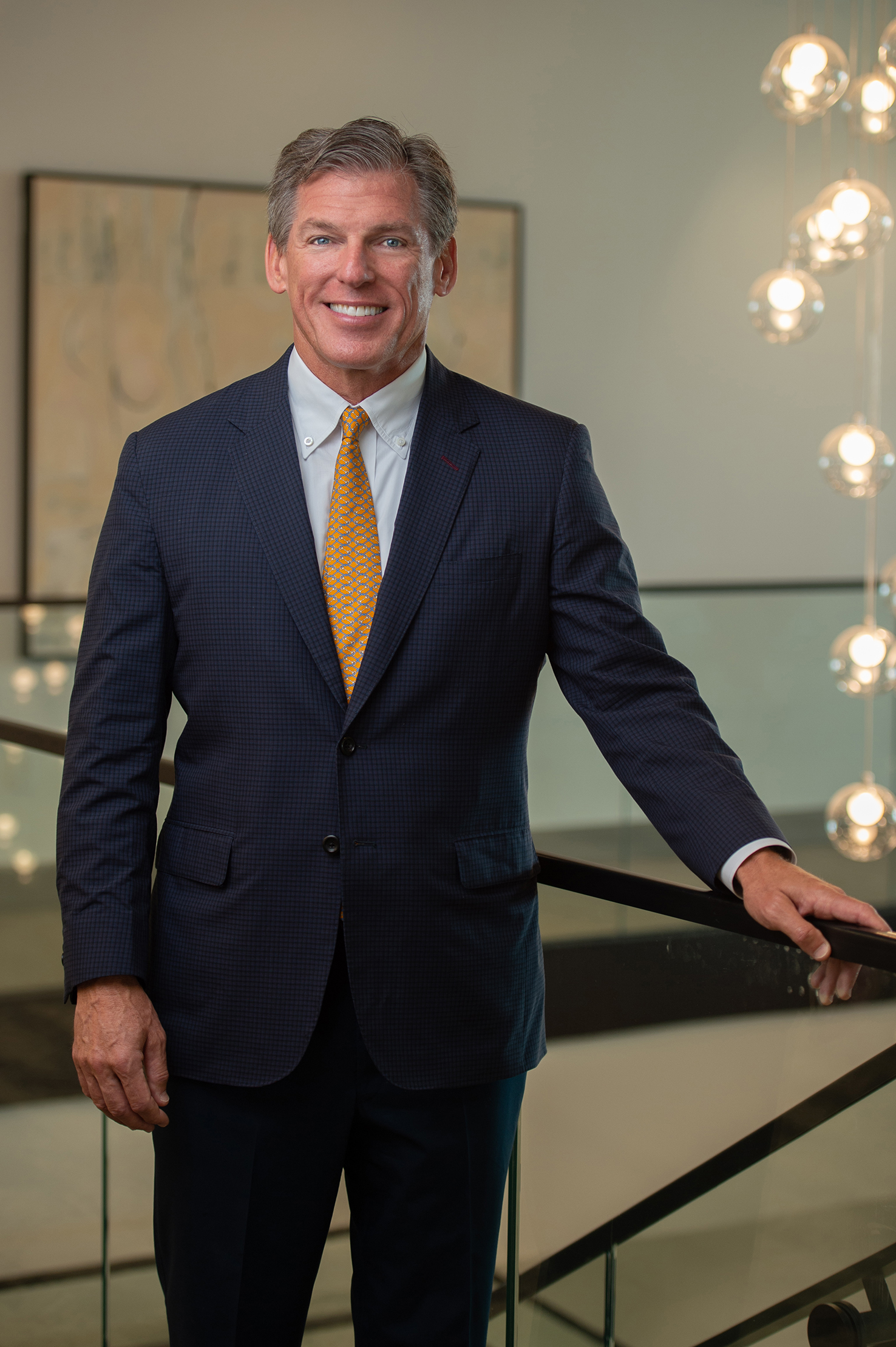
John Darby
John Darby serves as The Beach Company’s CEO and chairman of the Board of Directors.
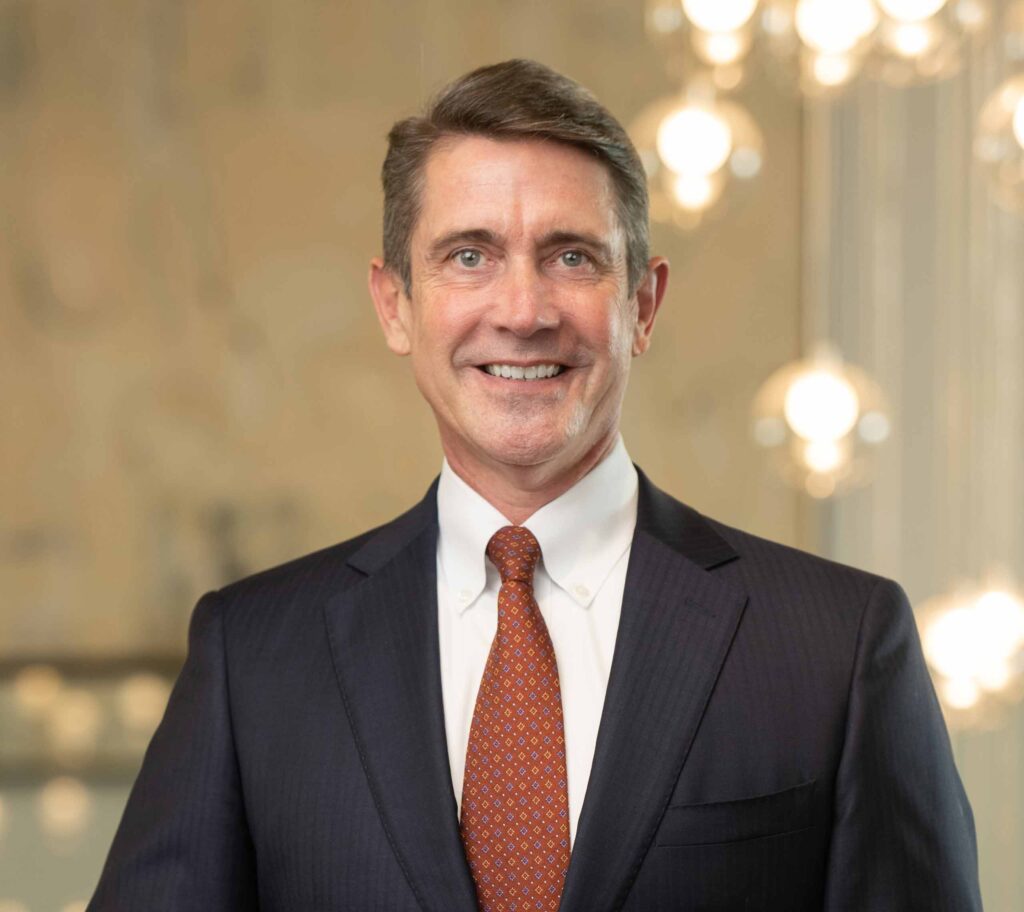
Dan Doyle
Dan Doyle is president and chief operating officer of the Beach Company, Dan is responsible for all development, marketing, asset and property management functions of The Beach Company.

Jo LaBorde
Jo LaBorde is Wekiva Island’s corporate concierge, working in a consultant capacity and managing the corporate side of the business.

Pat Soldano
Pat Soldano is the president of Family Enterprise USA and the Policy Taxation Group.
Episode Overview:
- Host: Zack Needles, Editor in Chief of Family Business Magazine
- Guests:
- Jo Laborde, Wekiva Island
- Pat Soldano, Family Enterprise USA
- John Darby and Dan Doyle, The Beach Company
Segment 1: Jo Laborde – Wekiva Island
Focus: Strategic planning and professionalization in a family-founded eco-tourism business
- Joined her brother’s business to apply her corporate and governance expertise
- Led the development of a 3- to 5-year strategic plan to expand the business
- Created a distinct corporate sales division, nearly doubling that business segment
- Emphasized sustainability and environmental education as a core part of the brand
- Helped position Wekiva Island as a destination for both leisure and corporate clients
Segment 2: Pat Soldano – Family Enterprise USA
Focus: Insights from the annual family business survey and national advocacy
- Survey reveals top concerns:
- Income tax policy (especially for pass-through entities)
- Estate taxes and capital gains taxes
- Labor shortages and market conditions
- Highlights that family businesses span diverse industries—not just agriculture
- Advocates for long-term tax certainty and permanency to support generational planning
- Describes FEUSA’s role as a bridge between family businesses and policymakers
- Stresses need for greater awareness in Congress about the nature of family enterprises
Segment 3: John Darby & Dan Doyle – The Beach Company
Focus: Leadership succession and multigenerational continuity at an 80-year-old family firm
- Company origins: Founded in 1945; expanded from local land acquisition to multi-market real estate
- Succession:
- Dan Doyle becomes first non-family president, succeeding John Darby
- Transition planned years in advance and communicated internally and externally
- Governance:
- Strong independent board with active shareholder communication
- Emphasis on training and engagement of G4 and G5 family members
- Culture and values:
- Long-term perspective, community involvement, integrity, and legacy
- Celebrated 80th anniversary with employees and extended family
Family Business Business Family Podcast – Episode 17 Transcript
Zack Needles: (00:00)
This episode is brought to you by Element Point, an independent multifamily office and wealth management firm dedicated to guiding individuals and their families through important financial, investment, lifestyle, and interpersonal matters. In turn, helping clients build a secure future and enduring legacy.
John Darby: (00:26)
The most important job for a CEO is picking his successor and making sure he’s successful.
Zack Needles: (00:35)
That was John Darby of The Beach Company discussing the importance of succession planning in a family business. We’ll hear more on that later. Welcome to the Family Business Business Family podcast. I’m your host Zach Needles, editor in chief of Family Business Magazine. In this episode, we sit down with John Darby and Dan Doyle of The Beach Company, Pat Soldano of Family Enterprise USA and the Policy Taxation Group, and Joe Laborde of Wakaiva Island.
Support for today’s show comes from Element Point. We built the wealth management firm we would want for our own families. As your trusted partner and advisor, we deliver the white glove service you deserve in structuring and operating your family office. Our highly tailored financial advice, investment management, holistic reporting, and most importantly, the lasting relationships built with the families we serve are what has motivated us for nearly a decade. Connect with us at elementpoint.com.
Element point, planning thoughtfully, investing wisely.
Joe Laborde is corporate concierge at Wakaiva Island, an environmentally friendly recreation destination in Longwood, Florida that was founded by her brother, previous podcast guest, Bill Weinog. In this interview, Joe discusses the skill set she brought to add value to the business her brother founded.
Hi Joe, thanks for joining me today.
Joe Laborde: (02:24)
It’s a pleasure to be here.
Zack Needles: (02:26)
So let’s start by, if you don’t mind, tell me about your career prior to joining Wakiva and how the opportunity to join the family business came about. What drew you to it?
Joe Laborde: (02:37)
Yeah, well, it’s a fun story. So I’ve worked in member associations like my entire career, like 30 plus years, which gave me like a great foundation really for just like working with boards and just overall governance, strategic planning, like business acumen. And so I started a consulting business back in 2018 ish. And I remember pitching to the owner, my brother Bill.
that I wanted to do an on-site management team strategic planning session. And he was like, so tell me more, like, what do you want to do? And I was like, well, this is what I do. You know this is what I do for my business. And I remember talking about like a risk management plan. He’s like, yeah, yeah, I get it. But like, how are they going to get it? Right. And so, you know, I told him like the outcomes and the benefits of trying to mitigate risk. And down at the island, I mean,
We have great like mitigation plans for like hurricane preparedness and stuff like that, but we deal with the public. So one of the items that came out of that, we did the plan, we did a risk management plan, we did a strategic session. One of the things that came out of it was like active shooter training because we’re, you know, we have a bar on the river, we have, dealing with the public. You never know, we want to be prepared. We hope this isn’t going to happen. So it’s kind of like, if, and then.
you know, that’s how I kind of explained it. Like, what if this happens? Like, what are we going to do before so we know how to deal with it if that does happen? Yeah, absolutely. So that’s kind of what started it. And then from there, like after we had that strat session, I pitched, ⁓ let me put together a business plan so we can grow the business. Right now, at that time we had, and we still do, a huge like leisure component, like folks that come down to the island to get a cabana.
have a fun day, get out on the water, kayaking and that type of thing. But I’m like, there’s another side of this. What about the whole, you’re missing the whole corporate side of it. Folks wanna come down, find a really cool place outside of the regular big Disney, which is great, and Epcot, which is great, but we really are…
we market ourselves as like come to the real Florida, like, you know, get out into nature and that kind of thing. So I said, listen, a huge component. So he’s like, yeah, yeah, yeah, I think you’re right. Let’s look into that. So what we did is we built a three to five year business plan around like bifurcating leisure and corporate.
And, ⁓ you know, my sister-in-law ⁓ manages the leisure side of the business, and ⁓ I manage the corporate side of the business with a real concierge type approach of managing ⁓ corporates coming down. And, you know, in five years, we’ve almost doubled our business sector there. And so it’s been very, very, ⁓ very, very helpful, I think, to have this plan, and it’s definitely proved its worth.
And just recently we had ⁓ another strap planning session this month and for the next look out of the next three years or so. And we’ve even expanded it and created some really cool things that are gonna be happening with like a payback plan to our corporate loyalty folks, our corps that come down all the time and back to them. So yeah, it’s been a cool journey, that’s for sure.
Zack Needles: (06:18)
Yeah,
I love that you sort of brought this, your corporate experience and this level of professionalization to this business, which I know from talking to Bill, you know, it was really like a passion project to start with, right? And obviously it’s fun, you know, you get to be out in the sun, you’re on an island, but it’s also…
It’s also a serious business and that you kind of brought your acumen to it and some real structure to it. ⁓ It’s just a really cool, really cool story. And know, something that a lot of our listeners, family businesses, especially the younger family businesses, as you get to the next generations, you need somebody who’s going to be able to professionalize things a little bit, right? So very cool story.
Joe Laborde: (06:56)
And talking about that passion that Bill had, ⁓ you know, that’s what draw me to it as well. I mean, really, I fell in love with the vision and I fell in love with his efforts to like, ⁓ you know, his sustainable mission and how we could make a difference and knowing everything that, you know, we talked about, you know, he started with his family years ago, you know, in their own household, like how we could educate folks and kind of do it kind of.
an education thing on the side. Like we have a really cool place come down, but we’ve got lots of cool like educational boards and stuff to talk about, nature to talk about, know, recycling to talk about things they could do at home. And we have some pretty darn cool things down there too. Like when I talk to corporates about coming down, like people really want to connect with you. Yeah, it’s a cool place, but…
Like what are you all about? And so many people are like, my gosh, like we have a green mission. And so they’re connected to us like on an even deeper level, you know? Really uber cool. Like we have a geothermal classroom, you know, it’s air conditioned by the river. mean, they’re like,
Dan Doyle: (08:10)
It’s amazing.
Joe Laborde: (08:12)
We’ve got
like a lead platinum classroom too that is like the highest level green that there is. It’s certified. It’s the only one in Seminole County. So, I mean, we’re proud of those things. We’re really proud.
Zack Needles: (08:26)
Absolutely. And so you touched on this and you talked about sort of how you got into the business. What’s your role in the business today?
Joe Laborde: (08:35)
Yeah, so I now manage corporate sales. ⁓ Like I said, five years in, we’ve almost doubled our initial plan that was just managing leisure. ⁓ I am very involved in anything sustainable. I am a consultant to our family business. I am not an employee. ⁓
But I am very involved in lots of strategic initiatives that the island undergoes. And but I think my mainstay is corporate sales and how we’re going to grow that business even further.
Zack Needles: (09:12)
Excellent. And so what’s your favorite thing about working with your family, working in family business?
Joe Laborde: (09:19)
You know, I think it’s a cool story I love to tell because it just gives you goosebumps. ⁓ you know, I deal with boards every day and I’m working with some amazing boards in my day work. ⁓ But it’s such a cool thing to sit around a board table and you look every time it just blows my mind. You look around the table and every single seat is a family member. Yeah. And that’s different for me. And it just makes me uber proud.
And then, you I do remember this time when, you know, my brother Bill was in the middle of our, of our U, you know, we’re looking at the big screen and he’s pitching a big serious program he wants to launch and, you know, on his hip is his granddaughter and, know, she’s cooing and giggling at him and he’s like being serious and then he’d be like giggling with her. And, ⁓ you know, it’s just, it’s a cool thing, you know, and I know that our parents would be very, very proud.
that we are who we are, but we all have the drive and ambition that our dad had. And they’re just looking down at us and they’re just shining. They’re just really, really proud of who we are and how we work ⁓ together.
Zack Needles: (10:32)
Absolutely. And then on the flip side, you know, because this is something that we do talk about all the time. Family business is challenging. There are, there are parts of that that are, that are not ⁓ exactly fun all the time. So what would you say is the most challenging thing about working in a family business?
Joe Laborde: (10:49)
Yeah, certainly not to your point. It’s not sunshine and rainbows all the time. would definitely put that as a tagline. know, at the end of the day, you know how sometimes you just treat people that are closest to you the hardest? I know sometimes I’m harshest to my husband. like, man, I am so sorry. You deserve better. And you just tend to be like brutally honest. You don’t hold back. And you have to kind of
Dan Doyle: (11:09)
Yeah!
Joe Laborde: (11:18)
that in check sometimes and remember that, you know, if you were at a day business, you know, if you were at a regular business, you wouldn’t treat your colleagues that way. You would kind of try to, we need to, we try very much to compartmentalize the fact that these are definitely loved ones.
But we need to remember to be fair and respectful and professional. And I think that gets us through. And sometimes we screw up and we come back and say, hey, my bad. I shouldn’t have done that. I shouldn’t have said that, whatever. But the beauty is grace and forgiveness is a beautiful thing. So we move on. Yeah.
Zack Needles: (12:01)
Excellent. Well, just so appreciate your time. It’s been so cool to learn about this, this really amazing business.
Joe Laborde: (12:09)
It’s been such a pleasure, I appreciate it and I look forward to hearing more of family stories. I think it’s so cool. Take care.
Zack Needles: (12:17)
Absolutely. Thanks, Joe.
Pat Soldano is the president of Family Enterprise USA and the Policy Taxation Group. In this interview, she discusses the results of FEUSA’s annual survey of family businesses, as well as the tax issues that are top of mind for many family business owners.
Pat, nice to see you. Thanks for joining me today.
Pat Soldano: (12:47)
Well, thanks for having me. I appreciate it, Zach.
Zack Needles: (12:50)
Absolutely. let’s start off. You first of all, for those who may not be aware, tell us about your organization and its purpose.
Pat Soldano: (12:59)
Sure. So Family Enterprise USA was founded in 2007 by a family in Minneapolis. It is a 501c3 organization. We’re kind of unusual because we are a not-for-profit charitable organization, but we advocate for and promote family-owned businesses in the United States, all sizes of business and all industries. So we’re different from trade associations because we focus on
tax and economic issues that affect the families of those businesses. And typically trade associations work on the business issues. So we now have 19 trade association members of Family Enterprise USA for that very reason, is because they realize we make a good partner because we work on those family issues and they work on the business issues and they’ve realized…
that in some cases, anywhere from 60 to 100 % of their members are family businesses. And so we provide a great resource for them. They provide a great resource for us, as well as a great avenue for us to distribute our education and information. So if a trade association wants to be a member, all of their members are entitled to attend our webcasts, our in-person events. ⁓
They get all of the information that we distribute as well as we do customize articles for them for their newsletter each month. So it’s been a great marriage. We’re very excited now, but with the trade associations and our own membership, family enterprise USA is now at the 1 million mark in terms of its membership. So we are the only organization that advocates for the families of family businesses ⁓ at a national level in Washington, DC.
Zack Needles: (14:50)
And one of the many great things that you do is this annual survey of family businesses and you just recently wrapped up your latest one. What were some of the key findings of that survey?
Pat Soldano: (15:01)
Well, it’s similar year after year. usually add some new questions, but this survey, we, this year we had 83 % of the respondents are solar majority owners and, that’s pretty typical. And that’s who we want have answered the survey. Uh, almost 26 % were from manufacturing organizations, 12 % construction and facilities and 5 % or almost 6 % real estate. We only had 4 % that were actually in agriculture. The reason that’s an important.
point is because we remind members of Congress that family businesses are not just family farms, which is typically how members of Congress see them because we have a lot of farming districts in this country. But we have to remind them that family businesses that operate in these other industries like construction and retail, real estate, they have the same illiquid nature of their assets that family farms do. Right? So when they’re providing legislation.
They need to really take that into consideration. ⁓ We found that 71 % of the respondents have generations of employees. So think about that. If you’re not in the family business space, you don’t even know what that means. Generations of employees means that you have mothers, daughters, fathers, sons, grandfathers, aunts, uncles, cousins, all working in the business generation after generation. ⁓ We found that the top tax concern
continues to be income tax rates. And that’s because 80 % of family businesses operate as a pass-through entity. And then second is the estate tax. And then third would be capital gains tax. ⁓ When we ask them, what is the greatest impediment to growth, ⁓ at the top, number one this year was market conditions, where in the past that’s been second or third. And then, ⁓
availability of labor was number two. And we can see that right in this in this tight labor market that we’re in today. So those are some of the results of the survey for 2025.
Zack Needles: (17:09)
And one of the things that comes out, I think of this research every year is that family owned businesses tend to outlast other types of businesses, right? ⁓ As someone who works so closely with so many of these different types of businesses, what do you think it, why do you think that is?
Pat Soldano: (17:27)
think it’s because family businesses plan their business as a legacy, right? Unlike a public company or regular corporation who has to answer to quarterly earnings and is planning it, know, quarter to quarter, year to year, maybe five year plan. Family businesses plan for decades and generations. ⁓ It’s really, really important, not just for the family, but for the employees and also for their communities. So when they think about their business,
They think about it in terms, as I mentioned, in terms of decades. ⁓ And what we learned through the pandemic is actually that 91 % of family businesses kept their employees employed during the pandemic, even some of them that shut their doors during the pandemic. So again, that’s because they know that we’re going to come out of this and their business is going to be intact because they see things in such a long-term relationship.
with their employees again and with their community as well as with their family members.
Zack Needles: (18:32)
Yeah, absolutely and so turning again to the survey findings. ⁓ One of the things we found was that 47 % of respondents noted that personal income taxes are their highest priority right now in terms of concerns. ⁓ 15 that’s a 15 % increase from last year survey. Why do you think it’s risen so sharply over the past year?
Pat Soldano: (18:56)
I think because again, family businesses, 80 % of them operate as a pass-through entity. So they’re paying 37 % in ordinary income tax rates, which if this tax provision that everyone’s working on right now, the former TCJA that was passed in 2017, if it doesn’t get extended past the end of this year, and we think it will, but if it doesn’t, that 37 % is going back up to 39%.
Family businesses are worried about that. Now, they get to take advantage of them, some of them, if they qualify for what’s called 199A. 199A allows them to deduct 20 % of their income before they apply that tax rate. So it gets them a little closer to the 21 % the corporate America gets to pay. And that was part of the reason that they passed 199A, but 199A is going to disappear at the end of the year.
So I think the reason that income tax is even higher than it was last year is because they’re worried about that. They’re about those, that income tax rate going up and 199A going away.
Zack Needles: (20:06)
I’m glad you brought up the TCJA because as you mentioned, it’s set to expire at the end of the year. ⁓ In this past November, the presidential election results were viewed by many as a favorable sign that the TCJA would be extended. But it’s not that simple, right? That just the Republicans are in charge and they’re going to extend it. Where do we stand on the TCJA’s future right now?
Pat Soldano: (20:28)
Well, it’s perfect timing because next week they’re going to be in markup. ⁓ And so as you know, the House and the Senate came to a budget resolution individually and then collectively, and now they’re in the budget reconciliation process. They’re working on the bill and that includes most of the provisions, if not all the provisions in TCJA. The word is that they’re going to extend them at least for the 10-year window.
We’d love them to make it permanent because certainty and permanency is what families need. ⁓ but it looks like at the very least it’ll be extended for 10 years. The challenge is really, as you’ve already pointed out, the Republicans, while they have the house in the Senate and the white house, they only hold the house by three votes, right? Every single Republican to vote. And so far they’ve been able to make that happen. But if they don’t, they’re going to have to be reaching out to Democrats.
And so far they haven’t been doing much of that. So, ⁓ it’s really, really critical, ⁓ just because Republicans are in charge. I’ve been through this before. Doesn’t mean that things are going to get done the way we’d like to see them done as it relates to tax policy. Cause typically Republicans are more known for tax policy than Democrats. Not to say Democrats don’t support it. ⁓ the other reason that it’s difficult is if they extend all of TCJA,
it’s going to cost over $4 trillion. Well, we’re already $2 trillion in debt, as you well know. It’s a serious, serious problem for this country, and we can’t add another $4 trillion on top of that. So they’re going to have to come up with solutions. And those solutions are going to be cut spending, which they’re already working on, maybe count the tariffs revenue, which they haven’t done in the past, or do some other combination of ⁓ not paying for some of this, which they have done in the past.
So it’s a big challenge. Timing is critical. ⁓ The hope is the president would like to see something on his desk by Memorial Day. That doesn’t seem that likely, quite frankly. It seems like something will be done by late summer ⁓ with maybe legislation enacted by fall.
Zack Needles: (22:43)
And you mentioned this idea that family businesses really need certainty and permanency in tax legislation. Can you expound on what that means and talk a little bit about lawmakers efforts toward that goal?
Pat Soldano: (22:58)
Yeah, as you know, family businesses, as I already mentioned, they plan their business as a legacy decade after decade. It’s very hard to plan for decades when the law keeps changing on you. ⁓ And so we’ve always asked for certainty and permanency. Unfortunately, the way that Washington, D.C. works is they score tax legislation over a 10-year window. And that’s typically all they do.
So that 10 year window doesn’t necessarily give you that amount of certainty, it gives you a 10 year window, but not permanency. it makes planning for the long term incredibly difficult. So we’ve been asking for certainty and permanency for a very, very long time. We haven’t seen too much of that, to be honest. We went through this in the early 2000s, a similar kind of situation where the estate tax rate changed every single year and the exemption changed every single year.
It’s very, very hard to do planning if you don’t really know what your time horizon is. So we’re hoping we’re going to see some of that. ⁓ I’m not terribly optimistic, to be honest, but we’re pushing for it.
Zack Needles: (24:06)
Yeah. Well, Pat Saldano writes a column in every issue of Family Business Magazine called View From The Hill. It is absolutely a must read for our audience, for all family business owners. So if you haven’t read that, make sure you check that out. And Pat, I just want to say thank you so much for your time and for talking through these issues.
Pat Soldano: (24:27)
Well, thank you so much for having me. I really appreciate it.
Zack Needles: (24:33)
The Charleston, South Carolina based Beach Company is a residential and commercial real estate company celebrating its 80th anniversary this year. Along with that milestone, the company has announced a leadership change. Dan Doyle is taking over the role of president from John Darby, who held the position for 33 years. Darby will continue in the roles of CEO and chairman of the board.
Doyle is the first non-family leader of the business. In this interview, Darby and Doyle discuss that transition process, as well as the history and future of the Beach Company.
Hi, John. Hi, Dan. Thanks for joining me today.
Dan Doyle: (25:21)
Good morning.
John Darby: (25:23)
Good morning.
Zack Needles: (25:24)
So let’s talk a little bit about the history of the company here. The Beach Company was founded in 1945. What was the business like in the early days and how has it evolved and expanded over the years?
John Darby: (25:38)
Well, when I joined in 1990, it was a small company, had 18 employees. That included the parking lot attendant, the receptionist. The company was mostly focused on land acquisition and planning. It was a small shop, a lot of structure. In the early 90s, the
The company got really active and ground up development. And I would say since then we’ve had at least three or four developments ongoing, except maybe during the Great Recession. The average age was up there. The company was founded in 45, so the average age was about 55.
Zack Needles: (26:23)
Right.
John Darby: (26:35)
And if you look at the day, the average age is closer to 40.
Zack Needles: (26:39)
And so I don’t have to tell you guys this, but it’s not easy to stay in business for five generations. So what do you view as the secret or the secrets to the company’s 80 years of success?
John Darby: (26:53)
That’s easy. Clearly, it’s the people, our team members. ⁓ We’ve got a great group and the culture here is very good ⁓ and something we watch very closely. Everyone here takes a lot of pride in what they do and there’s close relationships within the office and outside the office. ⁓
Dan Doyle: (27:23)
Yeah, if I could add the diversification of our different operating platforms really helps to set us apart. ⁓ Not only in the in real estate, but construction and other sectors that we operate in. ⁓ And then, you know, we really have to mention our independent board and our governing structure. It really is.
a big differentiator for us.
Zack Needles: (27:56)
Absolutely and i like to ask this next question because it’s so much of what we’re about it’s family business is talking about how they’ve overcome periods that were difficult so. For your company what was the most challenging period and how did you overcome it as a company.
Dan Doyle: (28:13)
But it goes without saying the great financial crisis 2008, 2009, I think, really, it was the most difficult time in terms of what we faced as an organization. How we addressed that, we were prepared, as prepared as you could be for that type of an event.
And we really did that through by taking some austerity measures in terms of freezing salaries, foregoing employee bonuses, really looking at every aspect of our operations in terms of where we could cut costs and tighten our belts. ⁓ We also put a freeze on any shareholder distributions, which was
which was a major step. And I think that set us up well, particularly for the lenders that we were dealing with at that time.
Zack Needles: (29:20)
Sure.
John Darby: (29:23)
Yeah, if I could jump in. You know, we had full transparency with all of our partners and our lenders. ⁓ had, you know, we owed a lot of money just like everyone else. And ⁓ once they realized that we were governed by an independent board and that they took the measures of cutting expenses, distributions and so forth.
I mean, you could see the expressions on their face saying, okay, they’re not burning their pocketbook. They’re really, they really are looking after the company.
Zack Needles: (30:01)
Right.
And so Dan, you’re taking over the role of president from John. Can you each talk a bit about the succession plan and the process in terms of when did it start and what did it involve?
John Darby: (30:17)
So it started decades ago with Charlie Way, who was president at the time. He started in the seventies and he set up the process of, it kind of goes like this. You disclose to your employees, all your team members, your
independent contractors and your investors in the banking relationships that in the coming year, ⁓ I will step down as president. So when it happens, it’s not like a shock and all everyone’s kind of absorbed it. And then after a couple of years, ⁓ you become president and CEO. And then, you know, the most important
job for CEO is picking his successor and making sure he’s successful. So, you know, we got great practice with watching how Charlie Wei ⁓ put that together. And we’re doing the same thing with Dan. ⁓ We’ve known that Dan was the front runner. And ⁓ a year ago, we made it known throughout the marketplace that that he is in line to be president. So when it happened,
Again, everyone was expecting it. And then in a couple of years, he’ll become president and CEO. The board has to approve it. The shareholders are very supportive of it. And here we go. We’re off and running.
Zack Needles: (32:08)
And Dan, what was that process like for you? You know, obviously we hear a lot of stories about ⁓ the successor sometimes is not even sure whether they’re going to be able to take over this role that they think they might be able to take over. it all kind of comes as shock and all to kind of everybody. ⁓ For you, what was it like to have a process that was very well laid out?
Dan Doyle: (32:30)
It was very helpful. This was all done in concert with the update to our five-year strategic plan. So it was very deliberate. The process was ⁓ internally was open. ⁓ Granted, as John said, this was presented along with our strategic plans. So
It was transparent, people were aware of it, and that information was telegraphed to the local business community over the past 12 months. And it was very helpful. But having been with the company going on 21 years now, I’ve seen that happen. And as John mentioned, Charlie Way really set the standard and set the example for just how
this transition can be undertaken in a very successful way. And that’s what’s occurred.
Zack Needles: (33:35)
Another topic that we we love to talk about here because it’s always so interesting to hear from different families but what values what would you say are the family’s key values and how do those values inform the business.
John Darby: (33:51)
So the family values tie in not only to the sustainable enterprise, but also the family heritage, the overlap. Some of those would be the reputation of the company, its brand, ⁓ a long-term perspective, not so much after the quick buck. ⁓
Family unity and harmony is important. Respect. ⁓ Legacy. ⁓ We have assets that we identify with as a family and often talk about it’s part of the company’s legacy. Community involvement is important. Open communication. ⁓ Customer, employee.
Loyalty is a big deal as well. So. ⁓
And there’s different things that we do that I think other companies do well to make sure these values are implemented. One is we ask the families to lead by example. I always tell them that we only are strong as our weakest link. And how they conduct themselves as shareholders is important. I would say we over communicate with them.
There’s different ways that we do that. And ⁓ we have ⁓ training and education and onboarding for the younger generation and the succession planning, which we already talked about.
Zack Needles: (35:49)
Sure.
Dan Doyle: (35:51)
The core values that we operate around, such as integrity, respect, teamwork, accountability, creativity, citizenship, really, they’re part of the company’s DNA, they’re part of the shareholders’ DNA, and they really go hand in hand with one another.
Zack Needles: (36:14)
And how many family shareholders are there and how many of them work in the business today.
John Darby: (36:20)
By working the business, there are 76 shareholders of different generations. If you’re a family member, you’re considered a shareholder with estate planning and so forth. 76, and when you add spouses, is 108.
Zack Needles: (36:40)
Sure.
Right okay and so Dan mentioned the importance of the board governance for the business does the family have governance structures in place for the family so the family council or an owners council things like that nature.
John Darby: (37:00)
⁓ Not officially. For years, would say that the G2s, I’m a G3. So the G2s function as the family council. ⁓ The G3s, ⁓ there’s nine of us. They’re all very close and ⁓ see each other often. And I would say that when needed, they certainly
⁓ serve as a good counsel. And then ⁓ they also have access to the board. We have one of our independent board members serves as a family representative and they’re free to ⁓ communicate and call and connect with that board member at any time. And the board member writes them a letter
after each board meeting, giving them a high level ⁓ outline of what we discussed and what was decided at the board meeting.
Zack Needles: (38:10)
Excellent and you mentioned you know you talked about how you over communicate to the shareholders and specifically look to engage the next gen ski talk just a little bit more about what that engagement and education plan looks like for the next gen members of the family to get them sort of acclimated to the business.
John Darby: (38:33)
Sure. The fourth generation now is from the 20s to 40. But when they were coming up, we would have ⁓ separate meetings with them, educating them on the history of the company and kind of how projects work, how we put them together, the risks we take. ⁓
you know, how we, we, you know, grow the company and, the services we provide and so forth. And, and now they’re, you know, they’re adults and they are, they have a well ⁓ grasp of how the company works and they attend the stockholders meeting. And if you’re 21 or older, you’re, you’re, you’re, you’re invited to the meeting.
which is pretty much everybody now. And then the G5s is everything from, I think, 12 years old to just a few days. And so we’re starting to go back and start educating them. What we do do is every year we have a get together for them. And because not all of them see each other during the year.
The shareholders live all the way from the East Coast to the West Coast. And so not only they get familiar with family members, but they associate that with the company. And we give them a lot of swag of different projects, bags and cups and clothing. And over time, they’ll be educated just like the generation before them.
Zack Needles: (40:27)
Absolutely. Yeah, that’s a great approach. So as we mentioned early on in the conversation, making it to 80 years old as any business and especially as a family owned business is a huge feat. So how’s the company celebrating its 80th anniversary?
John Darby: (40:49)
Well, we just did in February. ⁓ had our stock shareholders meeting. We all met at Keila River, which is a new project of ours, and stayed at the Dunlin Hotel, which is just opened in last August. So they all got to see their new asset. And the first night was all about the G5s. And it was like a carnival.
Joe Laborde: (40:52)
Yeah.
Zack Needles: (41:16)
Yeah.
John Darby: (41:19)
And for some, that’s the highlight of the weekend. And it was a huge success. And then the next morning, we meet. ⁓ Those are 21 and older, and we invite the spouses to the meeting. And ⁓ we met there, and Dan presented all of our progress for the year. ⁓
Zack Needles: (41:24)
Sure.
John Darby: (41:49)
And then that afternoon, we and then into the evening, we had a celebration that 80th celebration, and all the employees came. So there was four or 500 people at the celebration and and celebrate in our 80 years. So we had family shareholders and employees.
Zack Needles: (42:14)
great and so I’ll post this question to each of you I’d love to hear your thoughts on this and it’s a it’s a big question but but what do you envision for the future of the company we talked about how it’s evolved since the beginning where do you kind of see or or hope it evolves from from here
Dan Doyle: (42:35)
Yeah, I’ll start. I think it’s important to really recognize and understand and continue to do what got us to where we are today. And a lot of that revolves around our diversification, the different businesses that we operate, and the impact that we have on the community as we
talked about earlier, the values that we hold are really ingrained within the company and are traits that are important to have and that we benefit from. Oftentimes though, we have to look back and say, we’ve really got to follow and execute on our strategic plan.
And that’s the roadmap. That’s the roadmap for our success and really outlines ⁓ how we’ll execute. And we do that by one, working hard, ⁓ really setting example on our leadership team and with our managers that are responsible for executing our plan. We really wanna go ahead and stay focused on what we do well.
and not get caught up or distracted on things that really take up a lot of time and don’t have a lot of net benefit to us. And then finally, John really hit the nail on the head, our company culture, how we have an extremely talented group of people that work for the Beach Company. How do we continue to be able to attract new talent to the company?
and be able to retain those that are here, ultimately that’s going to have the biggest impact on our success.
Zack Needles: (44:41)
And John, if you want to weigh in as well.
John Darby: (44:43)
Well, know, Dan and I worked together for over 20 years and obviously I have a lot of confidence in him. I would say that when Dan came on board in a short period of time, he gave us the confidence to develop and do business in other markets. We were so focused on the Charleston, South Carolina area and
And now we’re in 27 cities throughout the Southeast. So, you when I look into the future, I think you’ll see us continue to do that with Dan’s leadership. And I look forward to to see it all happen.
Zack Needles: (45:28)
Excellent. Well, thank you both so much for taking the time to chat and talk about your history and congratulations on 80 years.
Zack Needles: (45:46)
We’re excited to introduce Family Business Compass, the premier national membership community designed exclusively for family business CEOs, family business chairs and directors, and family council chairs. Our focus is what makes these roles different, family.
We’ll provide the connections, insights, and resources you need to navigate leadership and governance challenges with confidence. Built on 35 plus years of strengthening family dynamics and driving business success, Family Business Compass is created for leaders like you. Apply for membership today on our website, familybusinessmagazine.com slash family hyphen business hyphen compass, and take the next step towards stronger governance, better leadership, and lasting success.
That’s it for this episode of the Family Business Business Family Podcast. If you have ideas for an episode or you would like to be a guest on the podcast, please reach out to me, Zach Needles at zneedlesatfamilybusinessmagazine.com. Talk to you soon.